Managing Tradegeting Ambiguity and Volatility Risks
The Challenge
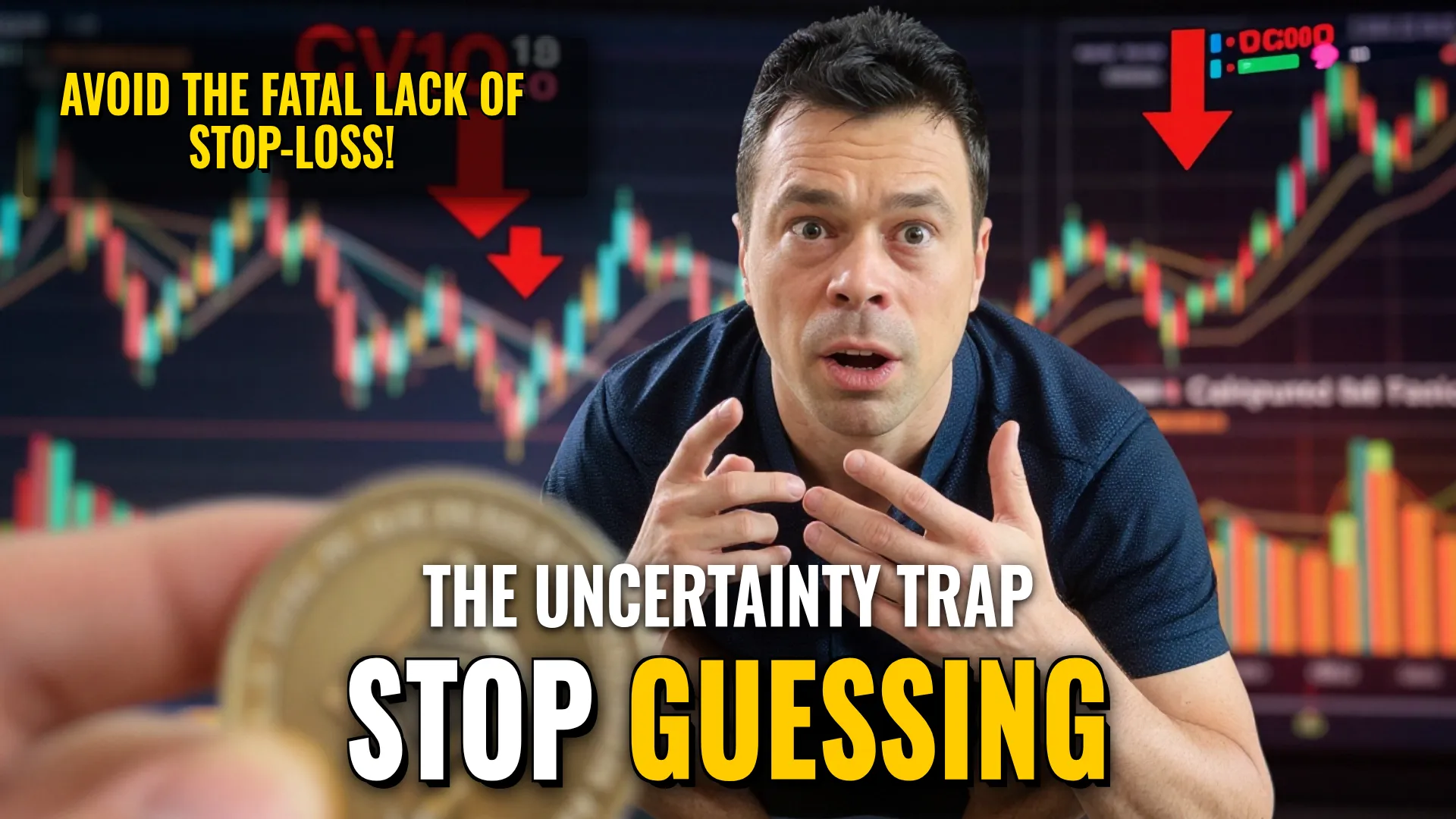
A significant psychological trap in these setups is uncertainty caused by incomplete data. In one instance, a trader enters an option straddle-like position (call + put) where the current ETH price isn't even specified; instead, they focus on certain risk parameters like IV reduction. In another case, a long setup ($2280-$2320 entry target $2520+) lacks a defined stop-loss or exit confirmation. This creates the potential for Uncertainty Bias—where a lack of clear exit signals can leadto hesitation or holding losing positions too long without protection.
Actionable Tips
- Define your Exit before Entry: Never enter any trade, whether it's an options combo/long or spot waypoints, without having a pre-determined stopping point or profit goal ready in mind (e.g., addressing why no stop was set in the second post).
- Quantify Risk vs. Expected Decay: When dealing with derivatives such as calls and puts expiring in late 2026, manage expectations regarding time decay (theta) if volatility drops; plan for ways to handle temporary decreases in contract value regardless of direction.
- Use Defined Stop Losses or Take Profits: Avoid 'waiting' for confirmations that haven't happened yet by setting hard rules against letting capital hang unsupported.
Key Mindset Shift
A position lacking a stop loss is not a controlled risk but a pending decision waiting to be made under pressure.
Reflection Question
Am I entering this setup because my strategy provided a reason, or am I hoping price reaches certain levels just enough so I don't have to deal with an undefined exit?
! DYOR (Do Your Own Research)